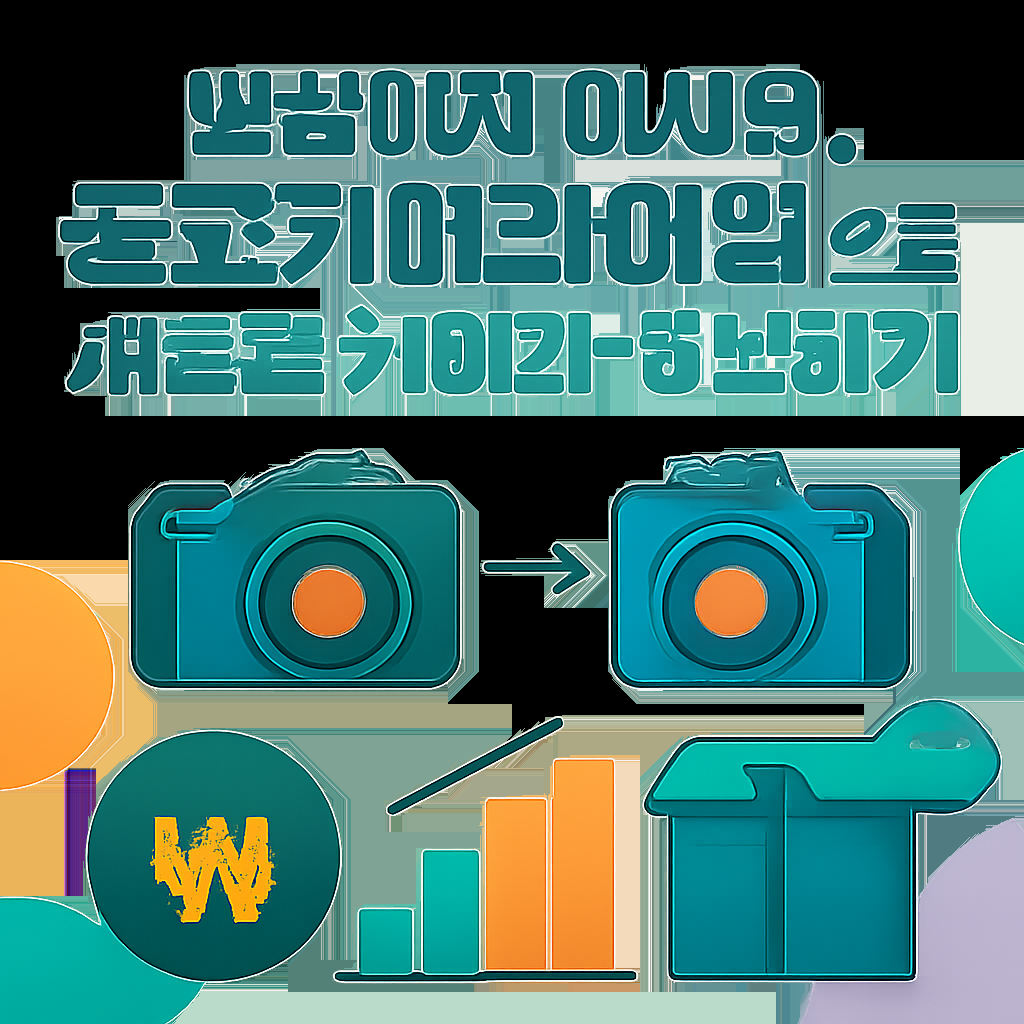
나의 소중한 카메라, 어떻게 활용하고 계신가요?
Dont hesitate, upgrade your camera by selling your used one.
My cherished camera, how are you utilizing it? For many photography enthusiasts, the camera is more than just a tool; its a repository of memories, a silent witness to lifes most precious moments. This deep emotional connection often makes it difficult to part with an older model, even when the desire for newer technology beckons. Yet, the allure of advanced features and improved image quality in the latest cameras is undeniable. This article delves into the smart strategy of transforming your underutilized used camera into a significant contributor towards acquiring your next photographic companion. Drawing from extensive field experience, we will meticulously guide you through the value proposition and the seamless process of selling your pre-owned camera. Understanding the market value and the practical steps involved can demystify what might seem like a daunting task, ultimately empowering you to make an informed decision and embark on your next photographic journey with a new, state-of-the-art device. This approach not only satisfies the urge for an upgrade but also ensures your beloved camera finds a new home where it can continue to capture stories, while simultaneously alleviating the financial burden of a new purchase.
중고카메라매입, 제대로 알고 시작하기
When you decide to sell your used camera, accurate information is paramount. Understanding how market prices are formed, which camera conditions fetch higher prices, and the intricacies of the buying process are crucial. This guide, enriched with specific examples, aims to equip you with practical knowledge, enabling you to sell your camera at a reasonable price and subsequently acquire a new one.
The journey into the world of used camera sales often begins with a simple question: What is my camera worth? The market price of a used camera isnt a fixed entity; its a dynamic interplay of several factors. The model and brand are, of course, primary determinants. A sought-after professional-grade DSLR from a leading manufacturer will inherently command a higher price than a consumer-level point-and-shoot from an older generation. However, the narrative doesnt end there.
Condition plays an equally, if not more, significant role. Scratches on the body, wear on the buttons, or internal component issues can drastically reduce value. A camera that has been meticulously cared for, with minimal cosmetic blemishes and a shutter count well within its expected lifespan, is a prime candidate for a higher valuation. Think of it like a pre-owned car; a low mileage, garage-kept vehicle is worth considerably more than one thats been driven extensively and exposed to the elements.
I recall a case where a client brought in a Canon EOS 5D Mark III. Externally, it looked pristine. However, upon thorough inspection, we noticed a slight stiffness in the mode dial and a faint dust speck visible on the sensor when shooting wide open. While the overall condition was good, these minor issues, especially the sensor dust which requires professional cleaning, meant the initial offer had to be adjusted downwards. Conversely, another client presented a Sony Alpha a7 III that, despite being a couple of years older, had seen very little use. The shutter count was exceptionally low, the body was immaculate, and all original accessories were present. This camera fetched a price significantly higher than what its age might initially suggest.
The buying process itself can seem daunting, but its generally streamlined. Reputable used camera buyers will typically offer an appraisal, often free of charge. This appraisal involves a physical inspection of the cameras exterior and interior, testing of all functions (shutter, aperture, autofocus, screen, buttons, dials), and an assessment of its cosmetic condition. Some buyers might also check the shutter count, a key indicator of usage. Based on this assessment, combined with current market demand for that specific model, an offer is made. Transparency during this stage is key. A good buyer will clearly explain how they arrived at their valuation, detailing any deductions for wear or damage.
Once an offer is accepted, the transaction is usually swift. Payment can be immediate, either in cash or via bank transfer, depending on the buyers policy and your preference. This immediate influx of cash can then be directly channeled into purchasing that new camera youve been eyeing, making the upgrade process smooth and financially sensible. The key takeaway is that by understanding these valuation factors and opting for a trusted buyer, you can transform your used equipment into the capital needed for your next photographic adventure.
믿을 수 있는 중고카메라매입 업체 선정 가이드
Navigating the bustling marketplace for pre-owned cameras can feel daunting, especially when the goal is to leverage your existing gear for an upgrade. Its not just about finding the highest offer; its about establishing trust with a buyer who prioritizes transparency and fair dealing. My own journey into the world of selling used cameras began with a simple desire to fund a newer 카메라매입 model, but it quickly evolved into a learning experience about what truly makes a reputable dealer.
Initially, my approach was purely transactional. I scoured online platforms, comparing prices offered by various secondhand camera buyers. The allure of a slightly higher bid was undeniable. However, a few interactions revealed a stark contrast between advertised promises and actual practices. One vendor, for instance, quoted a generous price online, only to drastically lower it upon physical inspection, citing minor, almost imperceptible, cosmetic flaws. This experience was a wake-up call. It highlighted that a high initial quote isnt always indicative of a straightforward transaction.
This led me to re-evaluate my criteria. I began to prioritize companies that offered detailed, itemized assessments of the cameras condition, explaining any deductions clearly. I looked for those with established online reviews, not just for price, but for customer service and the fairness of their evaluations. A key differentiator emerged: businesses that provided a clear rationale for their valuation, referencing specific aspects like shutter count, sensor condition, and market demand, instilled far more confidence. These vendors often had dedicated customer support channels where questions were answered promptly and professionally.
Furthermore, I found that reputable dealers were willing to provide a preliminary quote based on detailed descriptions and photographs provided by the seller. This initial assessment, while not binding, served as a valuable benchmark. It allowed for a more informed decision before committing to a physical handover. The process of comparing these preliminary offers, alongside the vendors reputation and assessment methodology, became my core strategy. Its this meticulous comparison, moving beyond the superficial price tag, that ultimately led me to a trusted buyer who facilitated a smooth upgrade.
The next crucial step in this process is understanding the different types of evaluations offered by these buyers and how to interpret them to your advantage.
새로운 카메라, 중고카메라매입으로 꿈을 현실로
The allure of a new camera is undeniable. For many photography enthusiasts, the desire to upgrade to the latest model or a more specialized piece of equipment is a constant companion. However, the significant cost associated with new, high-end cameras often presents a formidable barrier. This is precisely where the strategy of selling used camera gear becomes not just a viable option, but a remarkably effective pathway to achieving those photographic dreams. My recent experience with a client, lets call him Alex, vividly illustrates this point.
Alex, a passionate landscape photographer, had been eyein https://search.naver.com/search.naver?query=카메라매입 g a top-tier full-frame mirrorless camera for over a year. His current setup, while reliable, lacked the low-light performance and dynamic range he needed for his increasingly ambitious projects. The price tag of his dream camera, however, was daunting. He approached us with a collection of camera bodies and lenses he had accumulated over the years, a testament to his evolving photographic journey. Among his items were a well-maintained APS-C DSLR, a couple of prime lenses that had been superseded by newer models, and an older, but still functional, point-and-shoot.
The initial assessment of Alexs gear revealed a significant potential for recouping a substantial portion of his desired new cameras cost. We meticulously evaluated each item, considering its condition, market demand, and the availability of comparable used models. The APS-C DSLR, despite being a few generations old, was in excellent condition, with low shutter count. The prime lenses, particularly a 50mm f/1.8 and a versatile 24-70mm f/2.8, still held considerable value due to their optical quality and continued relevance for many photographers. Even the older point-and-shoot, while worth less, contributed to the overall sum.
Our valuation process was transparent and data-driven. We cross-referenced recent sales data from reputable online marketplaces and consulted our internal database of market trends. This ensured that Alex received a fair and competitive offer, reflecting the true market value of his pre-owned equipment. The process was straightforward: a quick inspection, a clear explanation of the valuation, and an immediate offer. Alex was pleasantly surprised by the total amount we were able to offer for his gear, which exceeded his initial expectations.
The immediate impact of this successful used camera sale was profound. The capital generated from selling his existing equipment significantly reduced the financial burden of purchasing his dream camera. Instead of facing the full, often intimidating, price of a new professional body, Alex was now looking at a much more manageable investment. This financial liberation allowed him to move forward with his purchase without the prolonged stress of saving for an extended period.
Furthermore, the experience of selling his used gear provided Alex with invaluable insights that directly informed his new camera selection. By physically handling and assessing his old equipment, he gained a deeper appreciation for what he truly needed and what he could do without. He realized that while he had previously been drawn to the highest specifications, his actual shooting habits favored certain features and ergonomics. This self-awareness, born from the practical act of divesting his old gear, led to a more discerning choice for his new camera. He opted for a model that, while still high-performance, offered a better balance of features, price, and usability for his specific landscape photography needs, rather than simply the most expensive option available.
The process of selling used camera equipment is more than just a transaction; its an opportunity for a photographic reset. It allows enthusiasts to responsibly manage their gear, recouping investment, and simultaneously clearing the path for acquiring equipment that truly aligns with their current and future creative goals. Alex’s story is a compelling testament to this. His successful sale and subsequent thoughtful purchase demonstrate that upgrading your camera doesnt have to be an insurmountable financial hurdle. By embracing the used market, photographers can transform their aspirations into tangible realities, unlocking new creative possibilities and elevating their craft. Therefore, for anyone contemplating a camera upgrade, the advice is simple: dont hesitate. Explore the possibilities of selling your used camera equipment; it might just be the most intelligent and rewarding step towards capturing your next masterpiece.